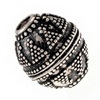
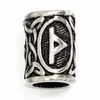
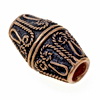
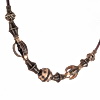
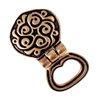
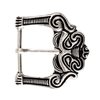
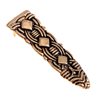
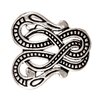
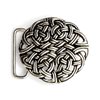
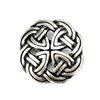
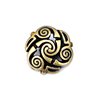
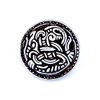
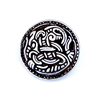
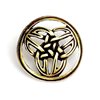
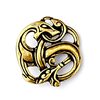
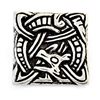
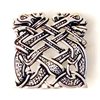
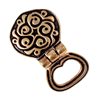
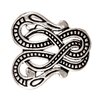
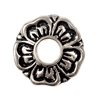
Historische Amulette und Anhänger bei Pera Peris
 Halsschmuck nach historischen Vorbildern
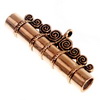
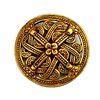
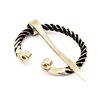
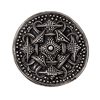
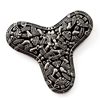
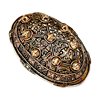
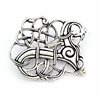
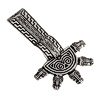
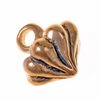
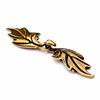
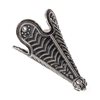
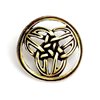
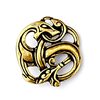
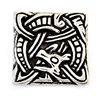
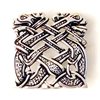
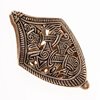
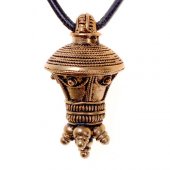 In der Kategorie Anhänger könnt ihr ein schönes Sortiment an Wikinger-Anhängern und mittelalterlichen Amuletten aus der Schmuck-Kollektion von Pera Peris – Haus der Historie kaufen.
Hier findet ihr zudem auch keltischen und römischen Halsschmuck, der ebenso nach originalen Funden oder in enger Anlehnung an historische Vorbilder gefertigt wurde.
Wir bieten euch hier hochwertige Nachbildungen und Museumsrepliken von Wikinger-Anhängern und Mittelalter-Amuletten aus verschiedenen Epochen und Ländern, so dass ihr aus einem breiten Sortiment an Halsschmuck wählen könnt.
In der Antike und dem Mittelalter trugen Mann und Frau oft gleichermaßen magische Amulette als Schutz vor den bösen Mächten oder auch um sich des Glücks zu versichern. So sind Repliken historisch korrekter Anhänger auch heute ein unverzichtbarer Bestandteil der authentischen Tracht im Wikinger-Reenactment.
Unsere mittelalterlichen Amulette und Wikinger-Anhänger werden aus hochwertiger Schmuckbronze gefertigt und zeichnen sich durch eine besonders schöne goldgelbe Bronzelegierung aus. Auch in echt versilbert könnt ihr unseren historischen Halsschmuck kaufen. Dabei werden unsere Anhänger mit einer extra starken Silber-Schicht von bis zu 10 Mg versehen.
Zusätzlich ist ein Großteil unserer Anhänger mit einem speziellen Anlaufschutz versehen, der gewährleistet, dass die Schmuckbronze nicht so leicht oxidiert und nachdunkelt bzw. das Silber nicht schwarz wird. So werdet ihr lange Zeit Freude an eurem mittelalterlichen Halsschmuck haben.
Hier findet ihr eine Auswahl historischer Anhänger und Amulette nach Vorbildern aus der Antike.
 Amulette und Anhänger im frühen Mittelalter
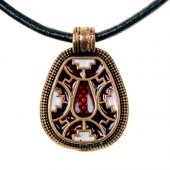 Als Halsschmuck finden sich neben Perlenketten und Halsringen im Fundmaterial der Antike und des Mittelalters besonders häufig Anhänger und Amulette, zumeist aus Bronze gefertigt, aber oft auch aus Gold und Silber, die als schützender Talisman oder einfach nur der dekorativen Wirkung wegen getragen wurden.
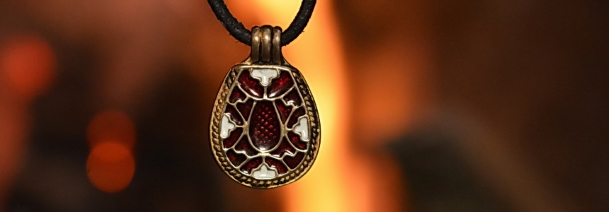
So ein Anhänger konnte im Mittelalter je nach Stand und Vermögen aus einem einfachen Stück Eisen bestehen, ebenso aber auch eine kostbare und mit Granulationsdekor und Emaille verzierter Goldscheibe sein.
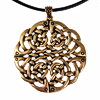
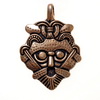
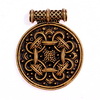
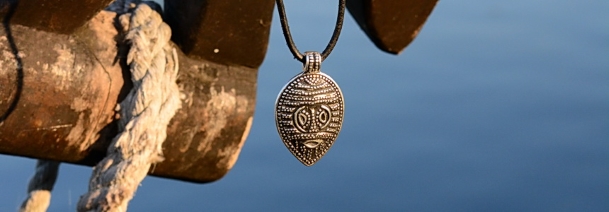
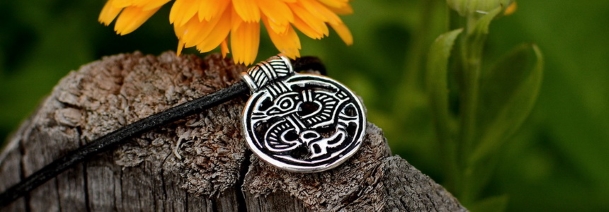
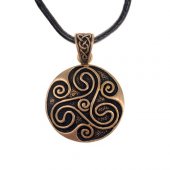
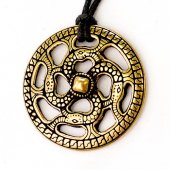
Besonders Scheibenförmige Anhänger aus Bronze oder Silber waren zu allen Zeiten recht gebräuchlich, ebenso wie Anhänger, die ein Fabelwesen oder ein Gesicht zeigten waren als Halsschmuck nicht selten.
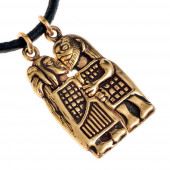
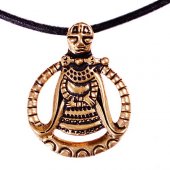
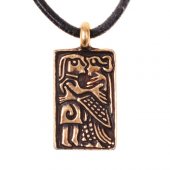
Ein interessanter Halsschmuck sind insbesondere auch jene Amulette, die das Abbild von Göttern zeigten, bei den Kelten zum Beispiel Cerunnos, bei den Römern Jupiter, bei den Germanen Wotan und bei den Wikingern Odin, Freyr oder Freya.
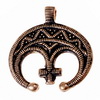
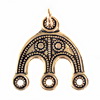
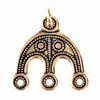
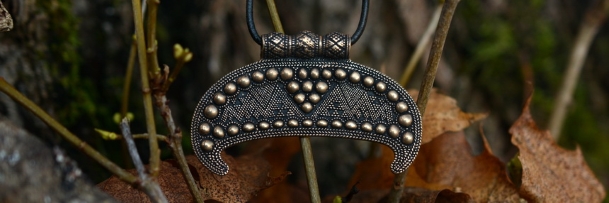
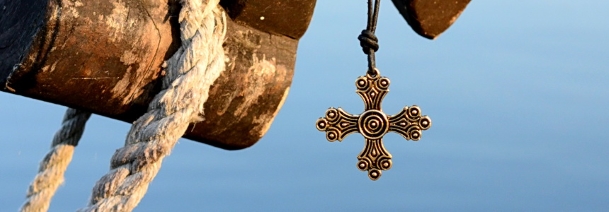
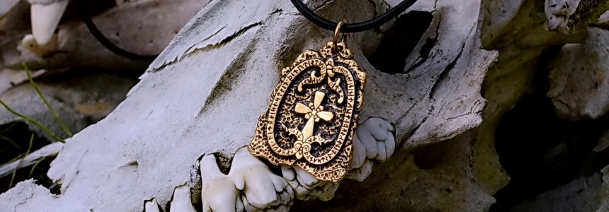
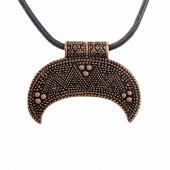
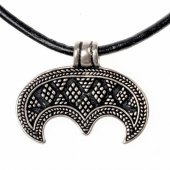
In der Spätantike und dem Mittelalter waren natürlich zunehmend Kruzifixe und Kreuz-Anhänger in Gebrauch, häufig mit byzantinischen Einflüssen. Ein beliebter Wikinger-Anhänger waren durchbohrte Silbermünzen, die man manchmal zwischen einzelnen Perlen auf eine Kette auffädelte und die Slawen der Wikingerzeit trugen gern mondförmigen Anhänger, sogenannte Lunitsa oder Lunula-Amulette, welche die Mädchen und Frauen der Slawen und Rus zum Schutz trugen.
Amulette und Anhänger waren jedenfalls seit Menschengedenken als Halsschmuck sehr verbreitet und wenn der Halsschmuck unserer Ahnen zumeist auch aus Bronze und Silber gefertigt war, so war durchaus auch Kochen, Zinn und Eisen als Material gebräuchlich.
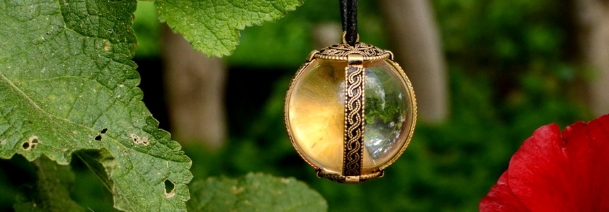
Es gab in Antike und Mittelalter auch äußerst kostbare Amulette aus reinem Gold und sogar mit Einlagen aus Edelsteinen wie Bergkristall gefertigte Wikinger-Anhänger, wie sie zum Beispiel auf Gotland gefunden wurden.
In unserem Mittelalterversand könnt ihr Repliken mittelalterlicher Anhänger und Amulette kaufen.
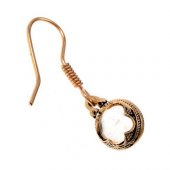
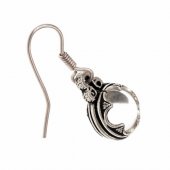
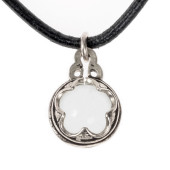
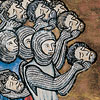 Wikinger-Anhänger aus Bergkristall
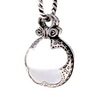
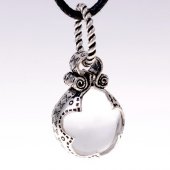
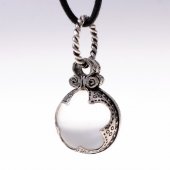 Die Wikinger-Anhänger aus Bergkristall sind eine absolute Besonderheit im Halsschmuck der Wikingerzeit und gehören zu den bemerkenswertesten Zeugnissen mittelalterlichen Schmuckhandwerks.
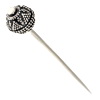
Neben kugelförmigen Bergkristall-Anhängern und flachen, geschliffenen Linsen wurden auf Gotland sogar ganze Colliers mit Kristallkugeln in Silberfassungen gefunden.
Manche dieser Wikinger-Anhänger waren auf ihrer Rückseite sogar mit einem Belag aus Silber versehen, der das Licht reflektierte, wodurch ein Bild der vor ihm befindlichen Person erzeugt wurde.
Die silbernen Fassungen der wikingerzeitlichen Bergkristall-Anhänger waren oft in filigraner Granulationstechnik ausgeführt, die eine Herstellung durch slawische Kunsthandwerker nahelegt, da dieses eine typische Herstellungstechnik der slawischen Schmuckfertigung im 10. Jahrhundert war.
Bereits aus dem 6. Jh. sind frühmittelalterliche Anhänger in Kugelform aus Bergkristall bekannt, die mit schlichten Silberfassungen versehen waren und aus dem angelsächsischen Raum ebenso wie im alemannischen und fränkischen Fundmaterial für die Merowingerzeit nachgewiesen sind.
Die Bergkristall-Anhänger der Merowinger erreichen jedoch bei Weitem nicht die Kunstfertigkeit der Wikinger-Anhänger von Gotland. Die Verarbeitung von Bergkristall war jedenfalls schon während des frühen Mittelalters geläufig.
Nachbildungen von Anhängern und Amuletten aus der Wikingerzeit könnt ihr hier kaufen.
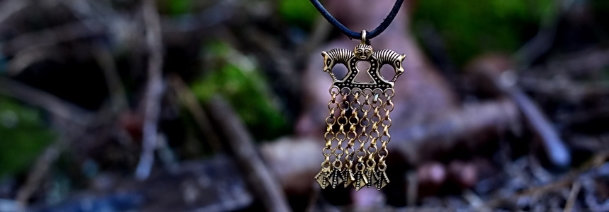
 Granulierte Wikinger-Anhänger mit Filigrandekor
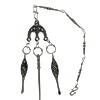
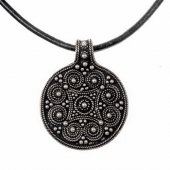 Wie schon geschildert, war es im Mittelalter besonders bei den Slawen sehr verbreitet, Anhänger und Amulette mit filigranem Granulationsdekor herzustellen, der in Form von feinen Silberdrähten, Perlenschnüren und Kugeln auf einem Trägermaterial aufgebracht wurde.
Die slawischen Schmuckhersteller des Mittelalters verstanden es auf vortreffliche Weise kleine Kunstwerke mit einfachsten Mitteln zu fertigen.
Als Grundlage für den Granulationsdekor diente dabei eine getriebene oder gegossener Grundform aus dünnem Silberblech, auf welche die granulierten Schmuckelemente aufgelötet wurden, wobei das Lot mit dem bloßen Auge kaum wahrnehmbaren Spuren hinterließ, so dass es beinahe den Anschein hatte die Granulationen würden schweben.
Nicht erst bei Wikinger-Anhängern und Mittelalter-Amuletten kamen diese Techniken zur Anwendung. Bereits Mitte des 3. Jahrtausends v. Chr. waren solche Granulationen im Vorderen Orient schon verbreitet und erlangten während der römischen Kaiserzeit im Norden ihre erste Blütezeit. Bei den Nordgermanen trat die Granulation im 2.–4. Jh. in Form tropfenförmigen Goldberlocken und scheibenförmiger Goldbrakteaten in Erscheinung.
In unserem Mittelaltershop könnt ihr auch slawischen Filigran-Schmuck aus der Wikingerzeit kaufen.
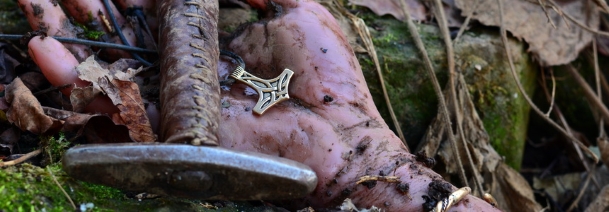
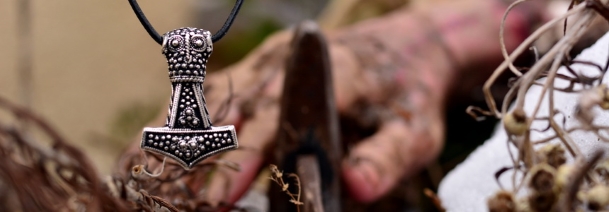
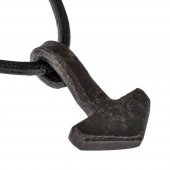
 Die Thorshammer-Anhänger der Wikinger
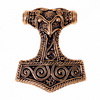
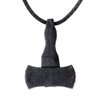
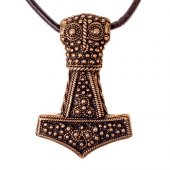 Neben einer Vielzahl verschiedener Wikinger-Anhänger dürfte besonders der Thorshammer als typischer Halsschmuck der Wikinger bekannt sein, der gegen Mitte / Ende der Wikingerzeit Im 9. und 10. Jh. sehr verbreitet war.
Es wird angenommen, dass man sich durch das Tragen des Thorshammers vom zunehmend ausbreitenden Christentum abgrenzen wollte, so dass sich diese Wikinger-Anhänger vermehrt gegen Ende der Wikingerzeit finden.
Bemerkenswerterweise finden sich Thorshammer aber hauptsächlich in Frauengräbern der Wikingerzeit. Das mag daran liegen, dass dem Thorshammer Segen spendende Kräfte zugeschrieben wurden.
Der Thorshammer gilt zwar auch heute noch als ein Symbol heidnischen Glaubens, doch ohne dabei rechtem Gedankengut anhängen zu wollen, ist das Tragen eines solchen Wikinger-Anhängers heute einfach Ausdruck eines generellen Interesses an der Zeit der Wikinger oder schlicht ein Zeichen der Zuneigung zur nordischen Kultur im Allgemeinen.
Authentische Repliken historischer Thorshämmer aus der Zeit der Wikinger könnt ihr hier kaufen.
 Die Axt-Anhänger der Wikinger
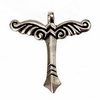
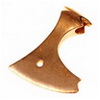
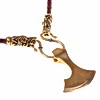
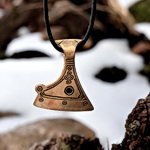
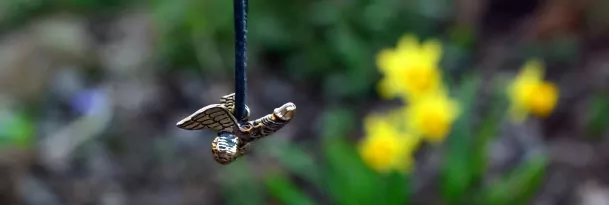
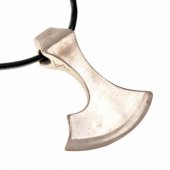 Die Axt spielte im Mittelalter eine wichtige Rolle da sie neben dem Speer die wichtigste Waffe des einfachen Mannes war, leicht zu beschaffen, preiswert und zudem auch ein wichtiges Werkzeug. So wundert es nicht, dass im Mittelalter bei Slawen und Wikingern oft kleine Amulette und Anhänger in Form einer Axt getragen wurden.
Besonders im Baltikum und Russland waren zur Zeit der Wikinger solche Axt-Anhänger beliebt, und erfreuten sich besonders bei den Westslawen und Rus großer Beliebtheit.
Hier war auch die sog. Axt des Perun von Bedeutung, der höchste Gott der slawischen Mythologie, dessen Attribut die Axt war, sinnbildlich für den herab schlagenden Blitz und in ihrer Bedeutung dem Thorshammer gleich.
Die Finnen trugen als Axt-Anhänger hingegen die so genannte „Axt des Ukko“, auch "Ukonvasara" oder "Ukonkirves" genannt, der die magische Waffe des finnischen Donnergottes Ukko war und eine ganz ähnliche Bedeutung wie der Thorshammer und die Axt des Perun hatte und Blitz und Donner erzeugte.
In unserem Mittelaltershop findet ihr auch Nachbildungen mittelalterliche Miniaturäxte als Anhänger.
Wir würden uns freuen, wenn euch diese kleine Exkursion zu den Amuletten des Mittelalters gefallen hat und ihr bei uns vielleicht einen passenden Anhänger findet, den ihr gern als Halsschmuck tragen möchtet.
 Euer Mittelalter-Shop für authentisches Reenactment
In dem breit gefächerten Sortiment unseres Mittelalter-Shops bieten wir euch viele mittelalterliche Accessoires sowie authentische Repliken von mittelalterlichem Schmuck, darunter:
Ob für die nächste Con, ein Wikingerlager oder ein Mittelalterfest, für ein historisch akkurates Outfit werdet ihr bei uns alles finden, was das Herz begehrt.
Entdeckt detailgetreue Reproduktionen von Gewandschließen aus verschiedenen Epochen sowie diverse Mittelalter-Taschen und eine umfangreiche Auswahl an Mittelalter-Gürteln und hebt euch mit liebevoll ausgearbeiteten Details aus der Masse hervor.
Für ein authentisches Reenactment statten wir euch mit dem nötigen Lagerbedarf aus. Informiert euch in unserem Blog zum Leben im Mittelalter und erhaltet interessante und erhellende Einblicke in die mystischen Epochen der Wikinger, Kelten und vielen anderen.
Bei einer Bestellung im Pera Peris Mittelalter-Shop profitiert ihr von vielen Vorteilen, wie
- 25 Jahre Erfahrung
- Kostenloser Versand ab 50 €
- Lieferung i.d.R. schon am nächsten Werktag
- mehrere Zahlungsarten, wie Paypal, Kreditkarte oder Überweisung
- 14-tägiges Widerrufsrecht
- Einfache Retouren
Meldet euch zu unserem Newsletter an und erfahrt als Erste, wenn es neue Produkte oder tolle Angebote gibt. Bei Fragen oder Wünschen steht euch unser Kunden-Service gern zur Seite. Nehmt dazu Kontakt zu uns auf oder nutzt den Rückruf-Service. Wir freuen uns auf eure Anfragen.
Setzt bei eurer Mittelalter-Ausstattung auf Qualität und Authentizität und bestellt euren Reenactment-Bedarf auf peraperis.com.
Pera Peris - Haus der Historie - euer Mittelalter-Shop.
Holt euch ein Stück Geschichte ins Haus!